Curtain Rings with Clips vs Eyelets: A Complete Guide to Choosing the Right Hardware
# Curtain Rings with Clips vs Eyelets: A Complete Guide to Choosing the Right Hardware
Curtain rings are small components that make a significant difference in how your window treatments look, function, and last. Among the most common options, **curtain rings with clips** and **curtain rings with eyelets** serve distinct purposes. Choosing the wrong one can lead to sagging curtains, damaged fabrics, or a hardware setup that fails to match your desired aesthetic.
This guide explains the differences between these two curtain ring types, their ideal applications, and how to determine which works best for your space.
## Understanding the Basic Anatomy
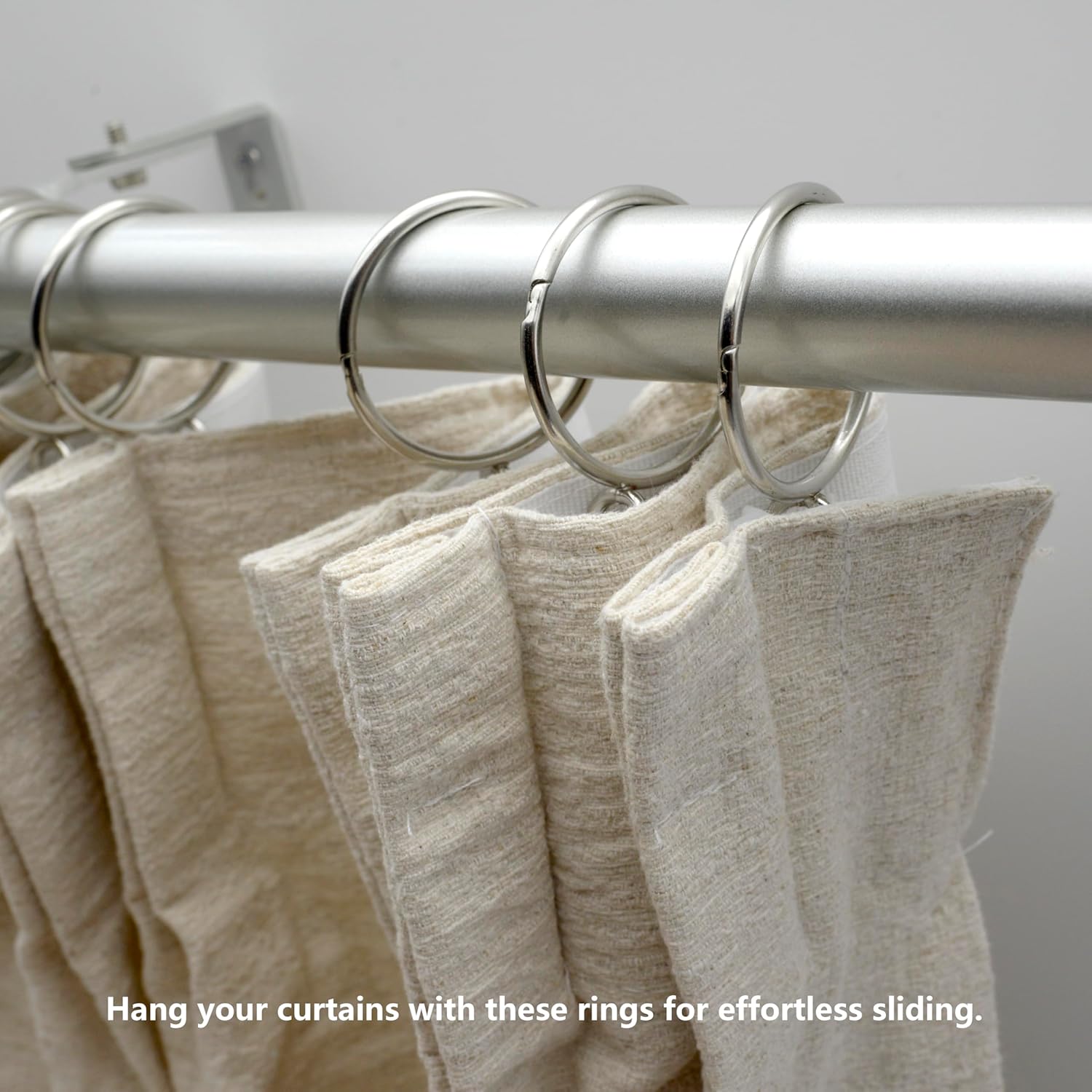
Before comparing clips and eyelets, it helps to understand the shared structure. Both ring styles consist of a circular ring that slides over your curtain rod, plus a small attachment mechanism below. The difference lies in how that attachment connects to the curtain fabric.
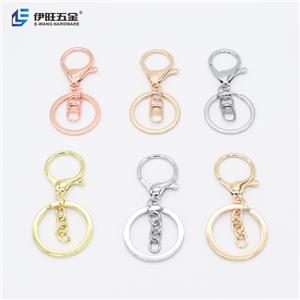
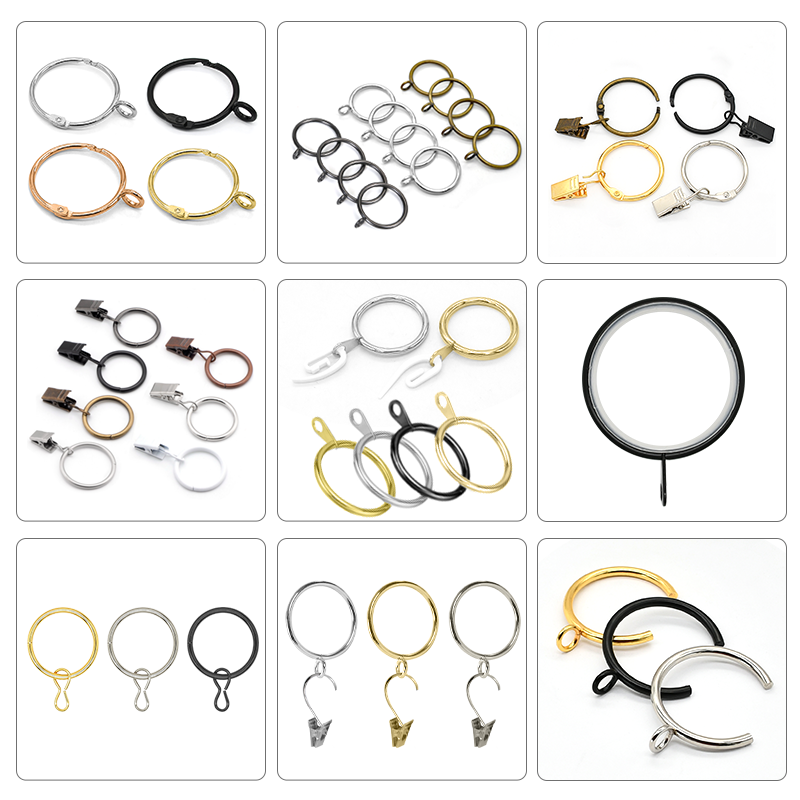
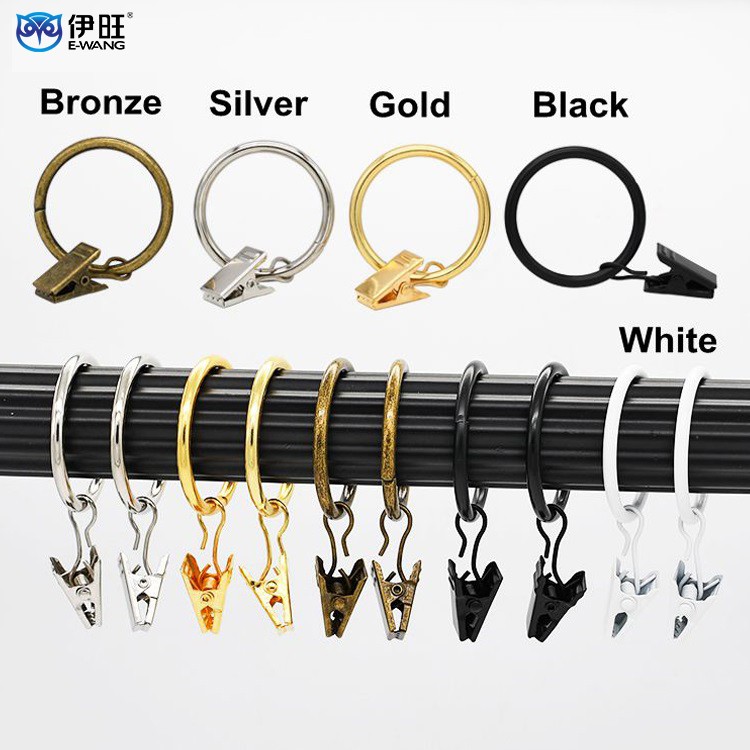
**Curtain rings with clips** feature an alligator-style clamp attached to the bottom of the ring. You simply pinch the clip open, grab the top edge of your curtain fabric, and release. No sewing, no pins, no alteration needed.
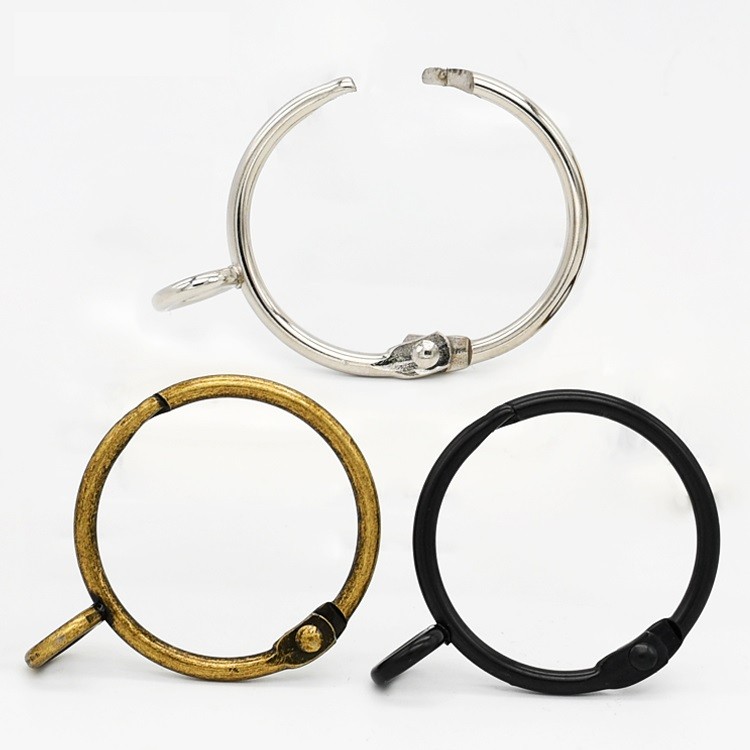
**Curtain rings with eyelets** (sometimes called fixed eyelets or small loops) feature a small metal loop welded or attached beneath the ring. This eyelet receives a drapery pin or hook, which is inserted into the curtain heading first. The pin then hooks through the eyelet to suspend the fabric.
In short: clips grip fabric directly, while eyelets connect to hooks that are secured to the curtain.
## Curtain Rings with Clips: The Flexible, No-Sew Option
Clip-on curtain rings have surged in popularity because they eliminate the need for curtain tape, pin hooks, or any type of sewing. For renters, DIY decorators, or anyone who wants to change curtain styles frequently, clips offer unmatched convenience.
### How They Work
The alligator clip beneath the ring opens wide enough to grip fabric securely. Many clips have serrated teeth or high-tension springs to prevent slipping. Installation takes minutes: simply clip the fabric at evenly spaced intervals, then slide the rings onto your rod.
### Ideal Applications
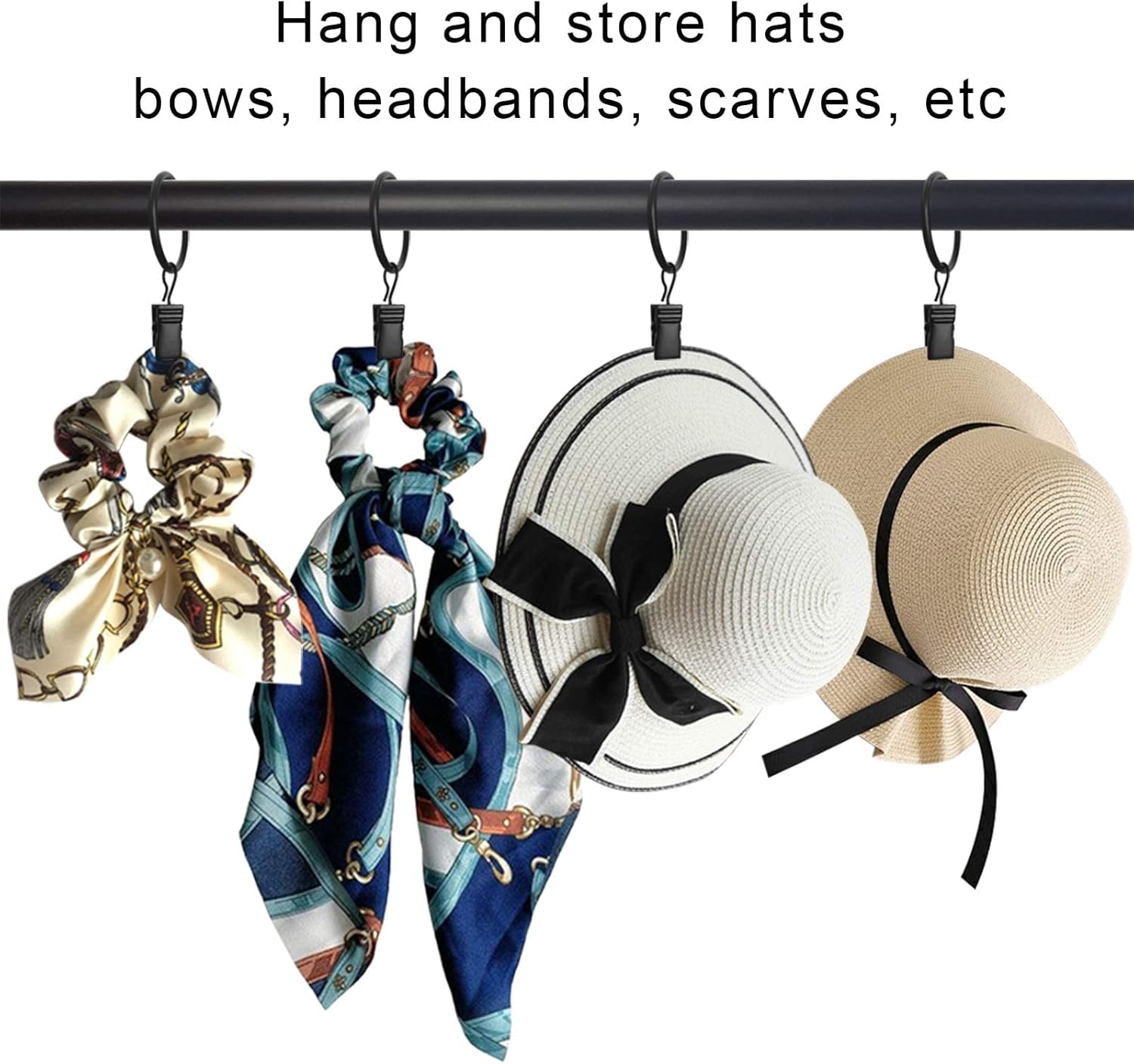
Clip rings work best with **lightweight to medium-weight fabrics**—sheers, linens, cotton blends, and lightweight synthetics. They are also the go-to choice for unconventional hanging situations:
- **Shower curtains and liners** where rust-resistant clips make changing liners easy
- **Temporary or seasonal decor** when you want to swap curtains without commitment
- **DIY projects** like hanging fabric swaths, room dividers, or decorative backdrops
- **Tab-top or rod-pocket curtains** that you want to hang with visible rings instead
### Limitations to Consider
The primary weakness of clip rings is **weight capacity**. The clips rely on clamping pressure, and heavy fabrics—velvet, blackout-lined drapes, or anything with interlining—can strain the mechanism. Over time, the fabric may slip, the clips may bend, or the weight may distort the curtain’s top edge. For full-length, lined, or heavyweight curtains, clips are generally not recommended.
Aesthetic considerations matter too. Clip rings sit fully visible above the curtain fabric, so the hardware becomes part of the design. If you prefer a clean, uninterrupted fabric line at the top of your curtains, clips may feel too utilitarian.
## Curtain Rings with Eyelets: The Classic, Structured Choice
Eyelet rings represent the traditional approach to hanging curtains from a rod. They are the standard companion for **pinch pleat, pencil pleat, and goblet pleat** headings—styles that require precise, consistent attachment points across the curtain’s width.
### How They Work
The process involves two components: a **drapery pin** (or hook) and the ring’s eyelet. The pin is inserted into the curtain’s heading tape or pleat, then the exposed hook portion passes through the eyelet below the ring. This creates a secure, load-bearing connection that distributes weight evenly across all the rings.
### Ideal Applications
Eyelet rings are the correct choice for **medium to heavy fabrics** and any curtain where durability matters. The pin-and-eyelet system carries substantially more weight than clips because the connection is mechanical rather than friction-based.
They are essential for:
- **Pinch pleat and pencil pleat curtains**, which have built-in pockets or pleats designed to receive pins
- **Lined or interlined drapes** where clips would fail under the load
- **Long, floor-length curtains** that need stable, uniform support
- **Formal or traditional interiors** where precise, tailored folds are desired
Eyelet rings also offer **smoother operation** over time. Because each attachment point is fixed at the same position across the heading, the curtains fold and stack consistently when opened.
### Limitations to Consider
The trade-off is **convenience**. Eyelet rings require curtain headings that accept pins—you cannot use them with rod-pocket or tab-top curtains unless you modify the heading. Installation takes longer because each pin must be positioned individually. If you want to change curtain styles frequently, the pin-and-eyelet system demands more effort than clips.
## Key Comparison: Which Should You Choose?
The decision ultimately comes down to four factors: fabric weight, curtain heading style, desired aesthetic, and how often you change your window treatments.
### Fabric Weight and Curtain Construction
If your curtains are **lightweight and unlined**, clips work perfectly. Sheer curtains, lightweight cotton panels, and casual drapes all hang beautifully from clip rings.
If your curtains are **heavy, lined, or blackout**, eyelets are the safer choice. The pin-and-eyelet connection will not slip, sag, or damage the fabric over time.
### Curtain Heading Style
**Pinch pleat, pencil pleat, and goblet headings** are designed for eyelet rings and pin hooks. The heading tape or pleat structure hides the pins and creates the intended tailored folds.
**Rod-pocket, tab-top, and flat-panel curtains** have no pleat structure to receive pins. Clips allow you to hang these styles from rings without altering the heading.
### Aesthetic Preference
Clip rings create a **casual, contemporary look**. The visible hardware and the way the fabric hangs in soft, relaxed folds suits modern, bohemian, or relaxed interiors.
Eyelet rings with pins produce a **structured, tailored appearance**. The folds are more defined, and the rod remains visible above a clean fabric line. This suits traditional, formal, or transitional spaces.
### Maintenance and Flexibility
Clip rings win on **ease of removal** for washing or changing curtains. Unclip, wash, reclip—no pins to remove or reposition.
Eyelet rings require more patience during installation and removal, but the result is a more secure, stable hang that requires less adjustment over time.
## Practical Tips for Both Types
**Ring size matters more than you think.** The ring’s interior diameter should be slightly larger than your rod’s diameter—typically one size up—to ensure smooth gliding. A tight fit makes curtains frustrating to open and close.
**Count your rings carefully.** As a general rule, use one ring every 4 to 6 inches of curtain width. For a standard 54-inch panel, that means at least seven to nine rings. More rings create more uniform folds; too few rings cause the fabric to sag between attachment points.
**Consider rod diameter.** Rings are often labeled by the rod size they fit, not their actual diameter. A “1.5-inch ring” fits a 1.5-inch rod, but the ring itself may be 2 inches or larger in total diameter.
**Match finishes to your room’s metals.** Curtain rings and rods are visible hardware. Coordinating them with light fixtures, cabinet pulls, or other metal accents creates a cohesive look.
## Final Thoughts
Clip rings and eyelet rings solve different problems. Clips offer flexibility, convenience, and a casual aesthetic for lightweight curtains. Eyelets offer strength, stability, and a tailored finish for heavier, pleated drapes.
If you are unsure, consider the weight of your fabric first. Lightweight sheers and casual panels will thrive on clips. Anything lined, heavy, or pleated belongs on eyelets with pins. When in doubt, choose the option that matches your curtain heading—hardware and fabric are designed to work together, and the right pairing makes all the difference in how your windows look and function.