The Definitive Guide to 304 Stainless Steel Key Rings: Durability, Craftsmanship, and Everyday Excellence
## Chapter 1: The Metallurgy of Excellence – What is 304 Stainless Steel?
To appreciate the quality of a 304 stainless steel key ring, one must first understand the material itself. Stainless steel is an alloy, meaning it is a mixture of metals designed to enhance specific properties. The "300 series" of stainless steels are known as *austenitic*, which means they are non-magnetic in their annealed state and offer exceptional formability and corrosion resistance.
### The Chemistry of 304
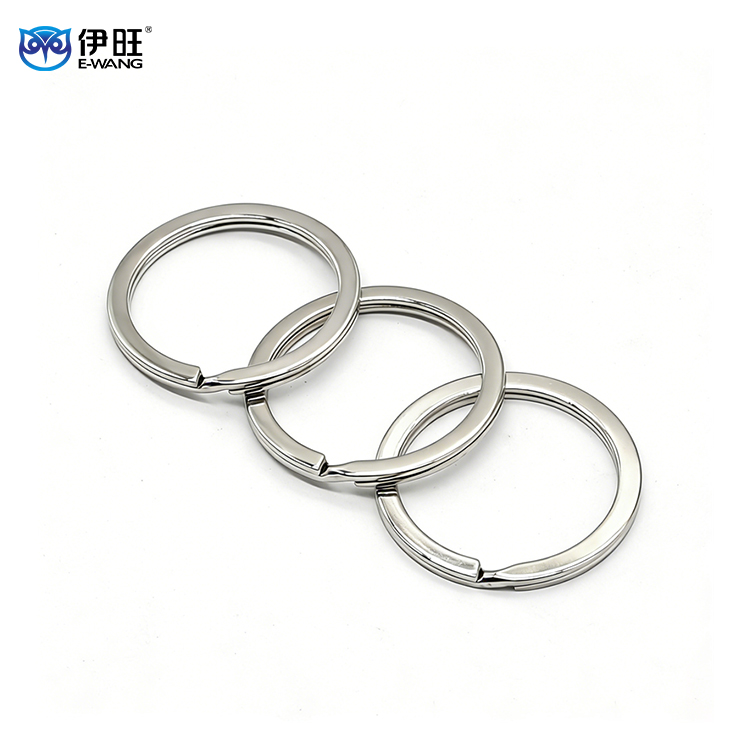
304 stainless steel, often referred to by its technical designation "18/8" or "18/10," is composed of specific percentages of key elements :
- **Iron (Fe):** The base metal, providing the fundamental structure.
- **Chromium (Cr) - 18-20%:** This is the magic ingredient. Chromium reacts with oxygen in the atmosphere to form a thin, stable, and transparent layer of chromium oxide on the steel's surface. This passive layer is self-healing; if the steel is scratched, the chromium reacts with oxygen to repair the barrier, preventing rust. This is what makes it "stainless" .
- **Nickel (Ni) - 8-10.5%:** Nickel stabilizes the austenitic structure, adds to the alloy's overall corrosion resistance, and provides a beautiful, deep luster. It also enhances the material's formability, allowing it to be bent into a key ring shape without cracking .
### Why 304 Excels Over Other Materials
When compared to common alternatives, the superiority of 304 becomes immediately apparent :
- **304 Stainless Steel vs. Zinc Alloy:** Zinc alloy keychains are cheaper and can be cast into intricate shapes, but they are prone to brittleness and cracking under stress. Their platings wear off over time, revealing a base metal that corrodes easily. A 304 key ring is solid through and through; there is no plating to wear off.
- **304 Stainless Steel vs. Brass:** Brass is a soft metal that develops a patina over time. While some appreciate this aesthetic, it lacks the raw strength and scratch resistance of 304 stainless steel.
- **304 Stainless Steel vs. Carbon Steel:** Carbon steel is incredibly strong but will rust aggressively without a protective coating. 304 stainless steel requires no such maintenance to resist corrosion.
### 304 vs. 316: A Note on Grades
While 304 is the industry workhorse, it is sometimes compared to its "premium" cousin, 316 stainless steel. 316 contains an additional element: molybdenum (2-3%). This addition makes 316 superior in resisting corrosion from saltwater and specific chemicals, earning it the "marine grade" title .
**For the vast majority of users**—dealing with daily moisture, rain, sweat, and urban environments—**304 stainless steel provides more than sufficient protection.** It offers the perfect balance of strength, rust resistance, and value .
## Chapter 2: The Anatomy of a Key Ring – Design and Construction
Not all 304 stainless steel key rings are created equal. The design and manufacturing process play a crucial role in the final product's longevity and user experience. Here are the critical elements to evaluate.
### 2.1 The Split Ring: The Classic Workhorse
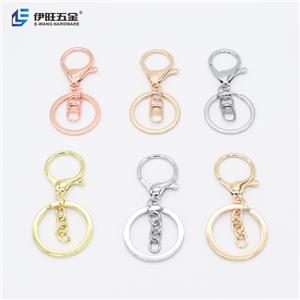
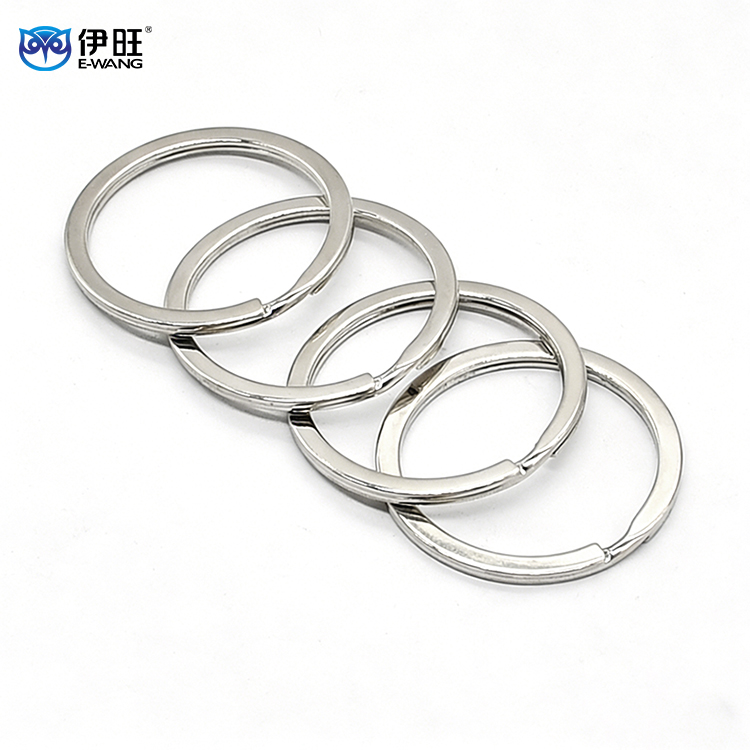
The most common design is the double-coiled split ring. Its strength lies in its tension. When evaluating a split ring, consider the following:
- **Wire Thickness:** A quality key ring should have a wire diameter of at least 1.5mm to 2mm. Thinner wire will bend or gap under the weight of a full set of keys .
- **Number of Coils:** A standard split ring usually has two complete coils. This double-coil mechanism provides the tension needed to keep keys secure while allowing them to travel around the ring.
- **End Finishing:** The ends of the wire should be cut cleanly and smoothly. Rough or sharp ends can scratch other items in your pocket and make it difficult to slide keys on. High-quality rings are often "deburred" to ensure a smooth finish .
### 2.2 Wire and Cable Key Rings
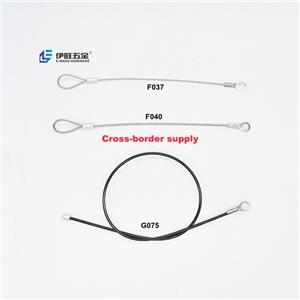
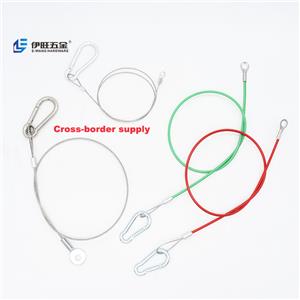
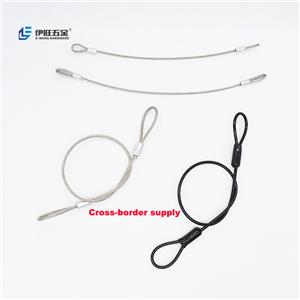
A modern variation is the wire or cable key ring, made from a stranded 304 stainless steel cable looped and secured with metal fittings .
- **Flexibility:** These are more flexible than solid split rings, making them easier to open and close.
- **Strength:** High-quality cable rings, like those from Ahlsen, are often tensile tested to hold significant weight (e.g., 20kg), proving their durability for heavy key sets or tools .
- **Application:** They are ideal for those who frequently add or remove items, as the screw-together connectors allow for easy customization.
### 2.3 Integrated Clasps and Connectors
Many key rings feature integrated lobster clasps or trigger snaps, often found on larger keychain assemblies. In a quality 304 product, **every component**—the chain, the ring, and the clasp—should be made of 304 stainless steel. A weak point is often the spring inside the clasp. Inferior products use low-grade steel springs that rust and fail. A true 304 keychain ensures the spring mechanism is also corrosion-resistant .
## Chapter 3: Evaluating Quality – How to Spot a Superior 304 Key Ring
In an online marketplace, you cannot physically touch the product before buying. Therefore, you must become a savvy shopper by learning the visual and descriptive cues of quality.
### 3.1 The "Grade Transparency" Test
The first and most important rule: **the manufacturer must state the grade.** A description that simply says "Stainless Steel" or "High-Quality Metal" is a red flag. Reputable sellers know that 304 is a selling point and will prominently display "304 Stainless Steel" or "18/8 Stainless Steel" in their product titles and descriptions .
### 3.2 Visual Inspection of Finish
High-resolution product photos are your best friend.
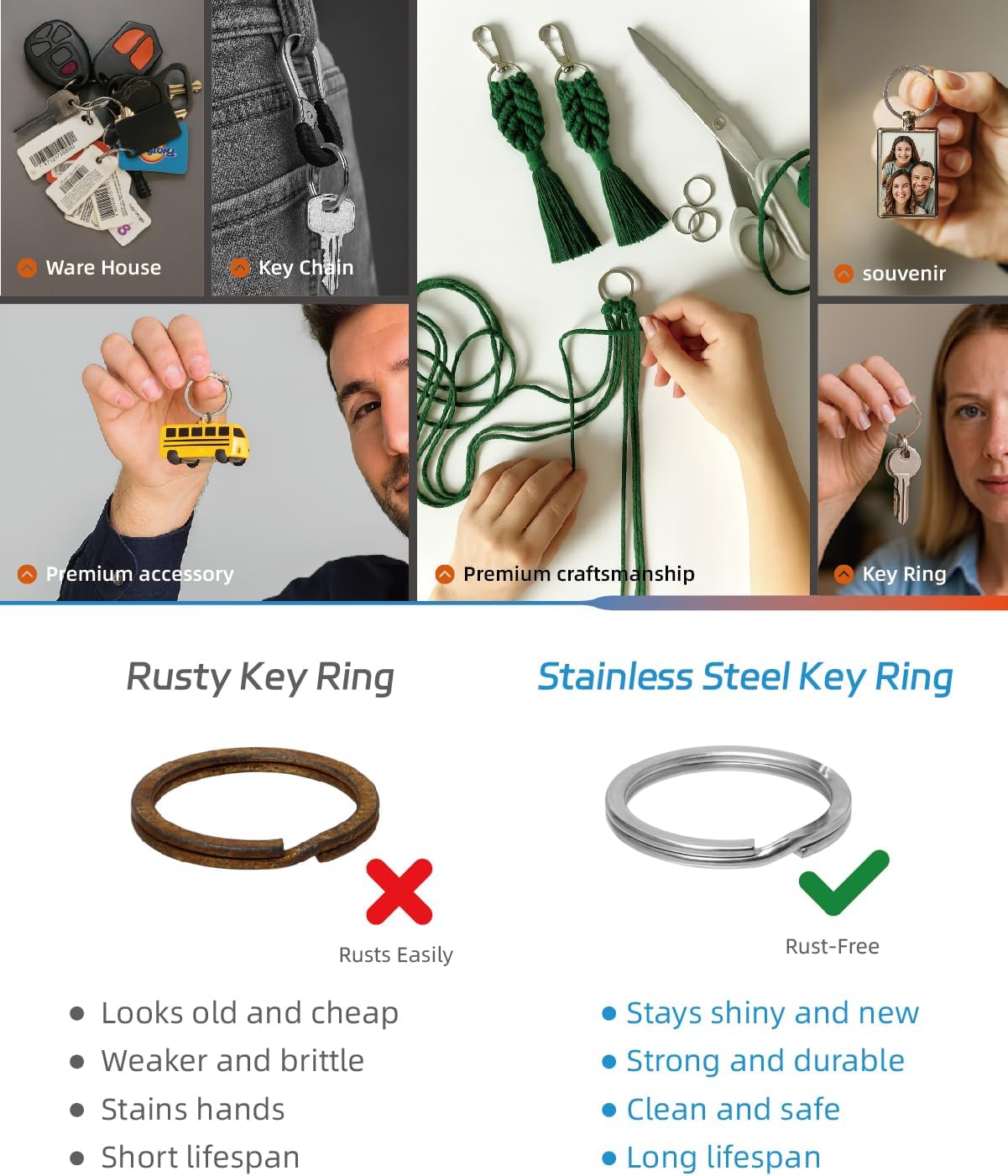
- **Surface Consistency:** Look for a uniform finish, whether it's mirror-polished, brushed, or matte. There should be no discoloration, pitting, or tool marks .
- **Edge Smoothness:** Zoom in on the edges of the ring and any attached plates. They should appear smooth and rounded. A sharp, reflective line on the edge suggests a poorly finished, potentially sharp product.
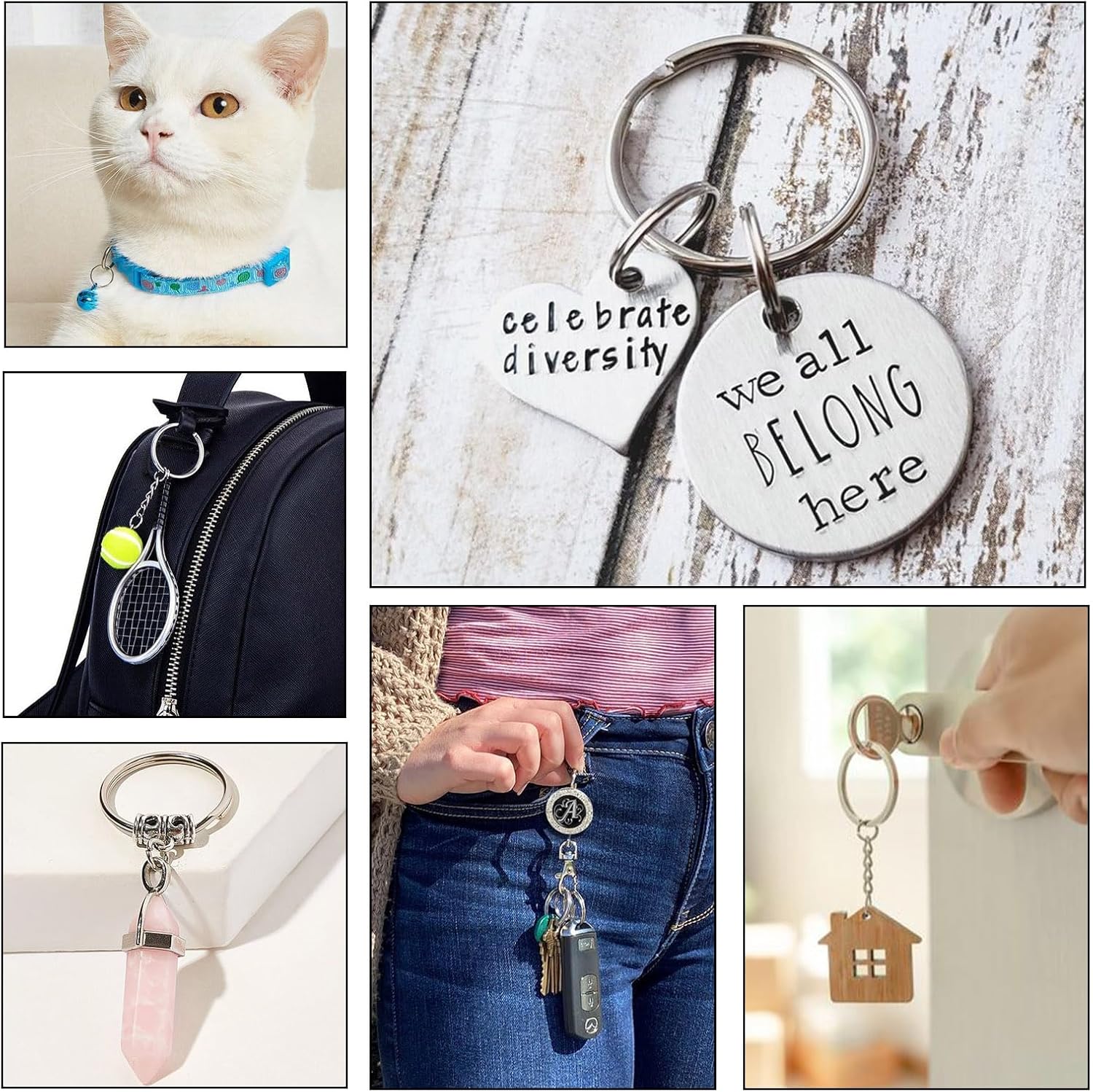
- **Joint Integrity:** If the ring is part of a welded assembly (e.g., a heart-shaped plate attached to a ring), the weld should be seamless and clean. A sloppy weld with discoloration or gaps is a point of potential failure .
### 3.3 The "Feel" Factor
While you can't hold it, you can infer the feel from the specifications.
- **Weight:** 304 stainless steel has a density of about 8 g/cm³. A quality key ring will feel substantial for its size. If a listed weight seems too light for the dimensions, it may be a hollow design or a different, lighter alloy .
- **Finish Type:** The finish dictates both aesthetics and maintenance.
- **Polished Finish:** Offers a mirror-like shine but will show micro-scratches from daily use more readily .
- **Brushed Finish:** Features a directional grain. This texture is excellent at hiding minor scratches and fingerprints, making it the most practical choice for a daily-use item .
- **Matte/Sandblasted Finish:** Provides a low-reflectivity, grippy texture that is also highly scratch-resistant .
## Chapter 4: The User Experience – Why Material Matters in Daily Life
The choice of material transcends mere specs; it defines the daily interaction between a person and their tools.
### 4.1 The Commuter's Companion
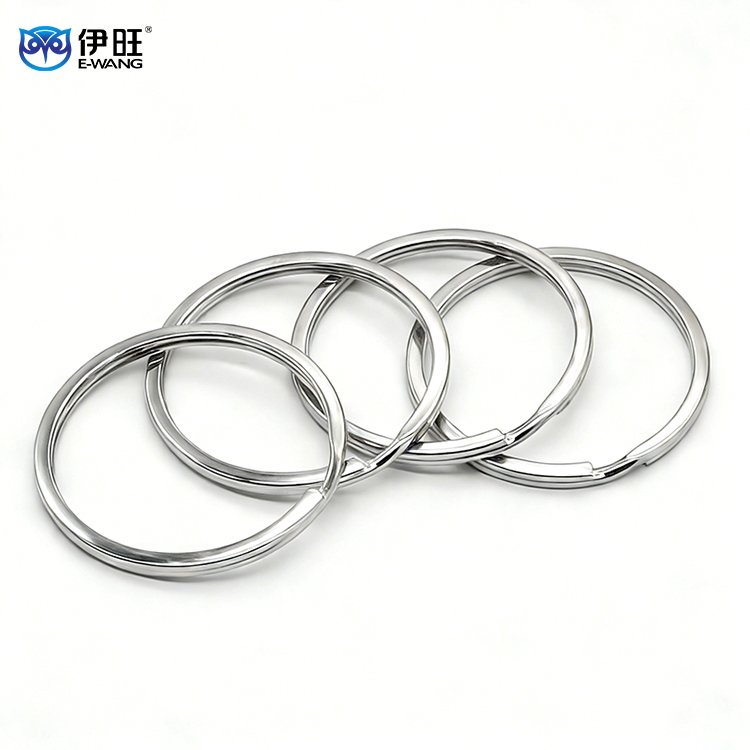
Imagine a daily commuter in a bustling city. They need to access their keys dozens of times a day. A 304 stainless steel key ring offers a tactile pleasure—a cool, smooth, solid feel. Its weight provides a sense of security. Unlike painted alloys that chip to reveal ugly base metal, a 304 ring might get "battle scars" in the form of a subtle patina, but it will never look cheap. The corrosion resistance means that rain or accidental exposure to a spilled drink won't lead to rust stains .
### 4.2 The Outdoor Enthusiast
For the hiker, camper, or climber, gear failure is not an option. Keys attached to a pack or belt loop face constant exposure to the elements: mud, stream water, and UV rays. A 304 stainless steel key ring can handle this abuse. For those in coastal environments, upgrading to 316 is advisable, but for 99% of inland adventures, 304 provides a rock-solid, rust-proof platform for securing keys, small tools, and gear .
## Conclusion: Small Item, Big Impact
The 304 stainless steel key ring is a marvel of modern metallurgy and industrial design. It is a testament to the fact that the best tools are often the simplest, built from materials chosen not for their low cost, but for their ability to perform flawlessly over a lifetime.
From the chromium oxide layer that protects it from rust, to the precise engineering of its coils and clasps, every aspect of a quality key ring is designed for resilience. For the consumer, it transforms a daily chore into a tactile pleasure and provides peace of mind. For the business, it offers a durable canvas for brand expression, ensuring your logo is associated with quality and longevity.