The Unsung Hero of Home Décor: A Deep Dive into Curtain Clips
**From Function to Foundation: Anatomy and Mechanism**
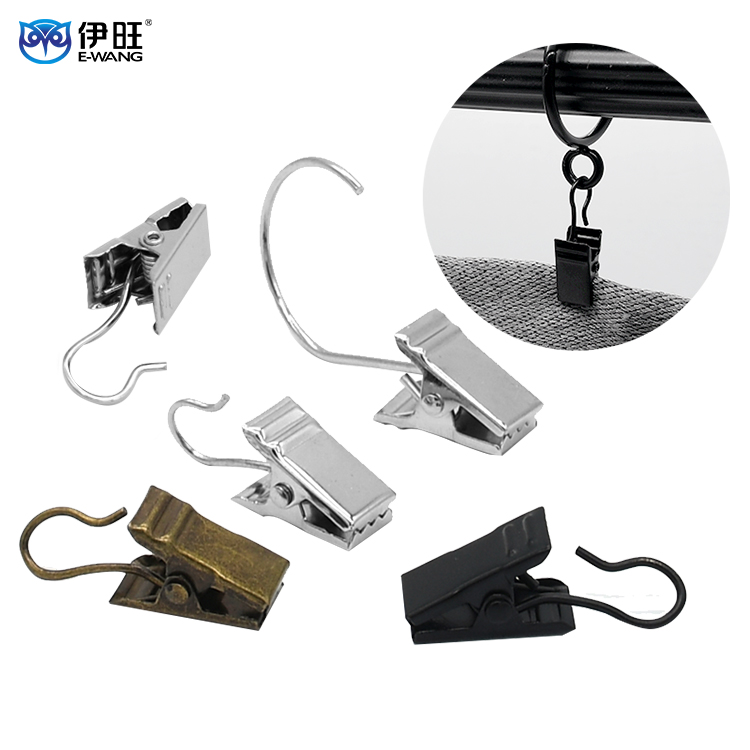
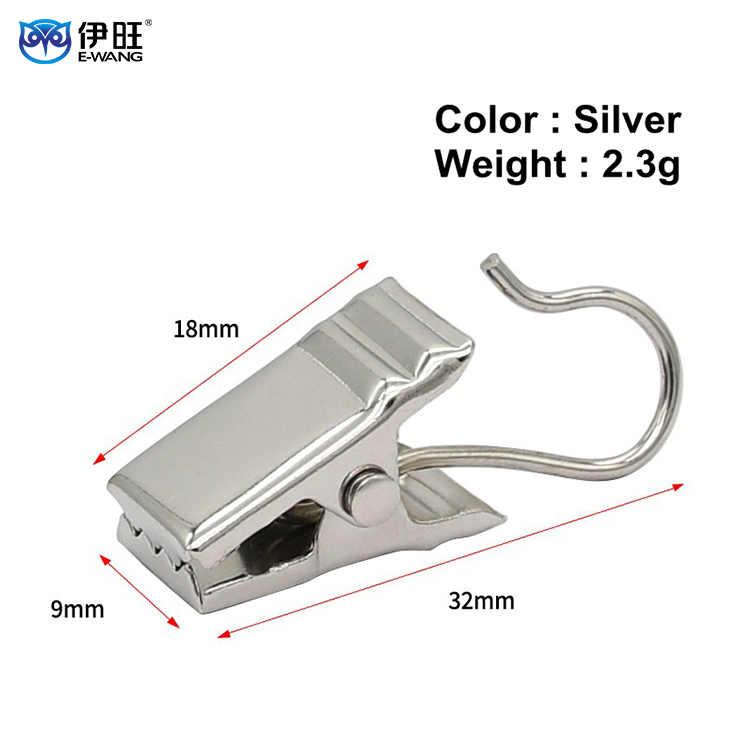
At its core, a curtain clip is a clamping device designed to attach fabric to a curtain rod without the need for sewn-on headers, tabs, or grommets. Its typical anatomy is elegantly simple: a spring-loaded clasp, often lined with silicone or felt to protect the fabric, connected to a ring. This ring then slides effortlessly onto the rod. This deceptively basic design is a triumph of practicality.
The primary mechanical advantage is **universal adaptability**. Whether you have a heavyweight damask, a sheer voile, a quilt, or even a decorative scarf, the clip accommodates it instantly. This eliminates the need for precise measurements for pleats or specific header styles, offering unparalleled flexibility. The spring mechanism ensures a secure grip that holds the fabric firmly in place, preventing slippage while simultaneously being easy to open and adjust. This user-friendly design democratizes window dressing, making stylish treatments accessible to renters, quick-change artists, and DIY enthusiasts alike.
**A Spectrum of Style: The Aesthetic Influence**
While functionality is key, the curtain clip’s true power is unleashed in its aesthetic versatility. The design of the clip itself contributes significantly to the final look, acting as a piece of jewelry for your drapes.
* **The Minimalist Ring:** Sleek, often matte black, nickel, or brass cylinders or simple rings create a clean, modern line. They provide an almost invisible connection, allowing the fabric itself to be the star. This style is perfect for Scandinavian, industrial, or contemporary interiors.
* **The Ornate Embellishment:** For classic, glamorous, or bohemian spaces, clips become decorative accents. Intricate filigree, crystal pendants, faux pearl details, or polished brass crane hooks add a touch of opulence and personality. They introduce a layer of visual interest even when the curtains are drawn open.
* **The Natural Element:** Clips made of woven rope, bamboo, or faux wood beads complement organic, coastal, or rustic themes. They soften the look and add texture, harmonizing with natural fiber fabrics like linen or cotton.
Beyond their own design, clips dictate the **draping philosophy**. Unlike pinched pleats or structured folds created by sewn headers, clips generate a softer, more relaxed cascade of fabric. They create broad, gentle swags that feel informal and inviting. The spacing between clips is also a tool for customization: placing them close together yields a fuller, more luxurious gather, while wider spacing offers a flatter, more streamlined appearance that conserves fabric.
**Practical Mastery: Solving Problems and Enabling Creativity**
The practical applications of curtain clips extend far beyond simply hanging standard panels. They are the Swiss Army knife of window treatment solutions.
* **The Renter’s Best Friend:** For those unable to install permanent hardware or alter existing drapes, clips are a liberation. A tension rod paired with clips and lightweight fabric can create a temporary but polished window solution without a single hole in the wall.
* **The Seasonal Shape-Shifter:** They facilitate effortless seasonal rotations. Swap heavy winter velvets for light summer linens in minutes. This adaptability encourages a dynamic, living space that evolves with the time of year.
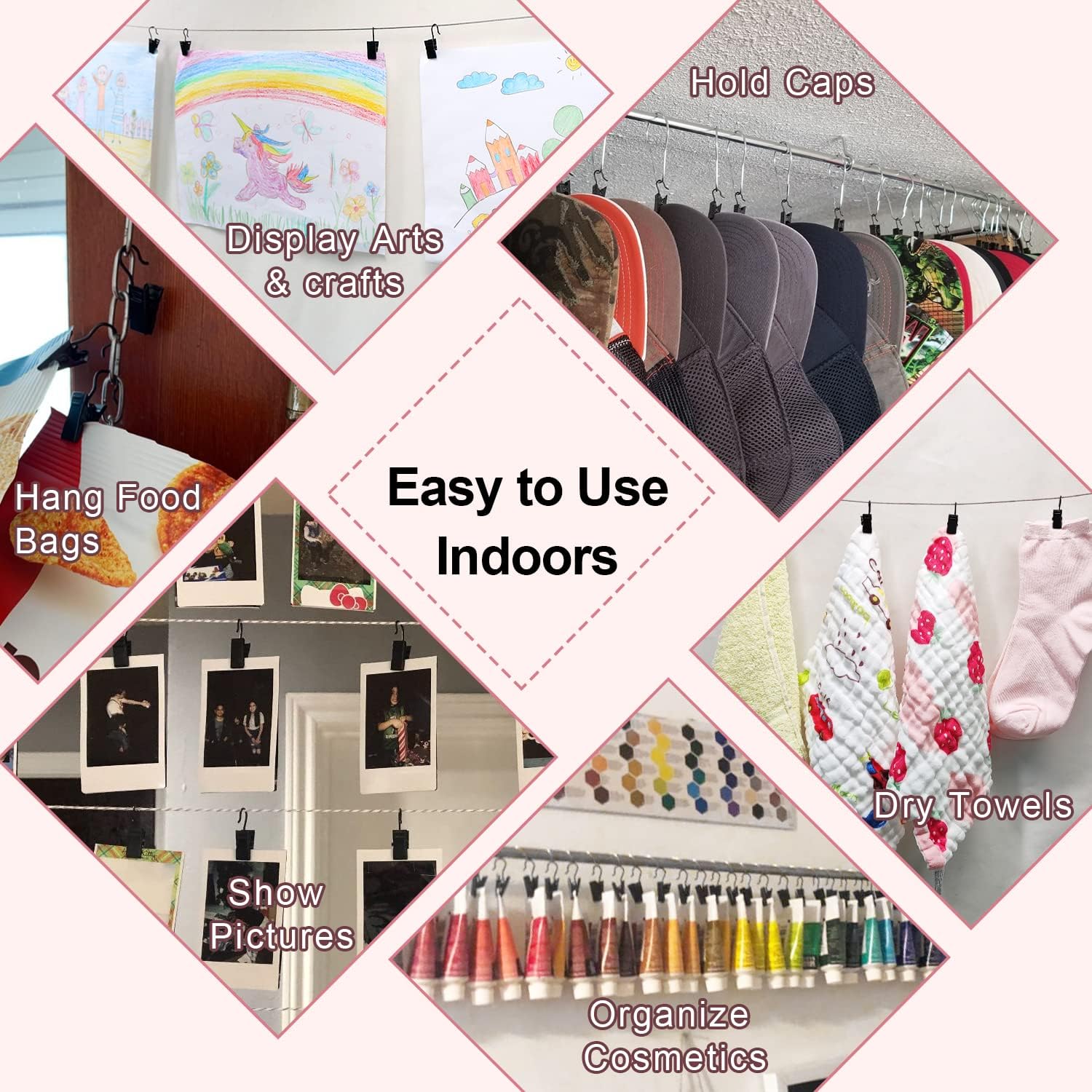
* **Beyond the Window:** Their utility shines throughout the home. Use them to hang festive banners, string up fairy lights, organize a cluster of greeting cards on a ribbon, or create a makeshift canopy over a bed. In a closet, they can manage scarves or ties. Their potential is limited only by imagination.
* **The Problem Solver:** Clips can salvage drapes that are too short—by clipping below the header, they can gain an extra inch or two. They can also combine multiple shorter fabric panels to create a unique, layered look.
**Material and Durability: The Unseen Qualities**
The longevity and performance of a curtain clip hinge on its material composition. Common options include:
* **Metals (Stainless Steel, Zinc Alloy, Brass):** Offer the greatest strength and durability, ideal for heavier fabrics. Quality metals with good plating or powder coating resist tarnishing and corrosion.
* **Plastics (Acrylic, ABS):** Lightweight and affordable, suitable for sheers and light cottons. High-quality plastics can be surprisingly robust, while cheaper variants may become brittle over time.
* **Natural/Composite Materials (Wood, Ceramic):** Prized for their aesthetic contribution, though their functional strength may be lower. They are best used for light to medium-weight fabrics as decorative accents.
The internal spring is the heart of the mechanism. A well-made, corrosion-resistant spring ensures consistent tension for years. Furthermore, the presence of a **protective lining** on the clasp—a small piece of felt, silicone, or rubber—is a critical detail. This lining prevents the metal from snagging, crushing, or leaving marks on delicate fabrics, preserving the integrity of the textile.
**Choosing the Perfect Clip: A Guide for the Conscious Consumer**
Selecting the right curtain clip is a subtle art that balances multiple factors:
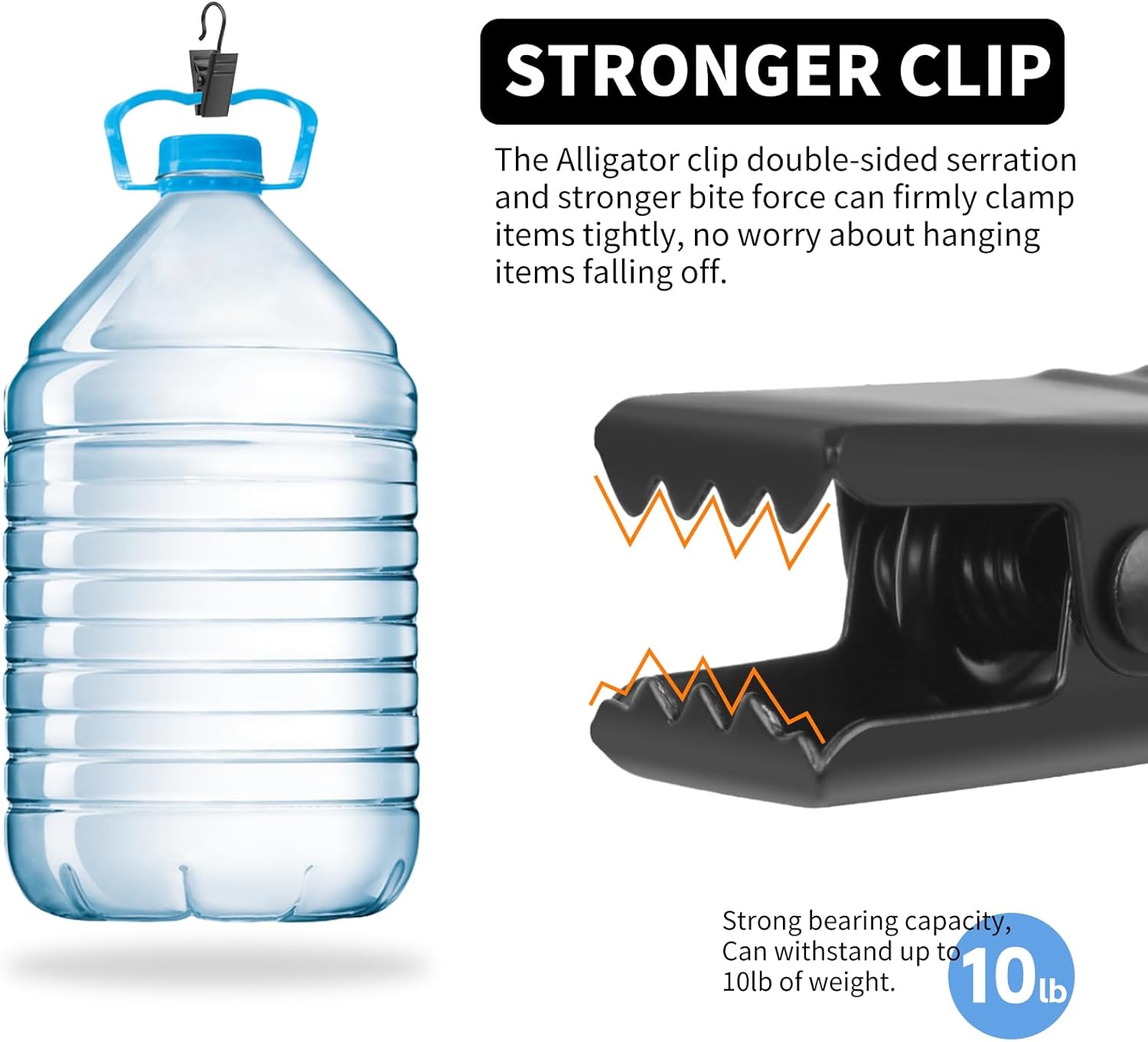
1. **Weight Capacity:** Match the clip’s strength to your fabric. Heavy drapes demand sturdy metal clips with strong springs. Sheers can thrive with delicate plastic or ornamental designs.
2. **Rod Compatibility:** Ensure the inner diameter of the clip’s ring is larger than the diameter of your curtain rod for smooth gliding.
3. **Aesthetic Cohesion:** Consider the clip as part of a hardware suite. Do its finish and style complement your rod, other fixtures in the room, and the fabric itself? Should it whisper or make a statement?
4. **Fabric Consideration:** Delicate silks or velvets require non-marking, lined clips. For bulky fabrics, seek out clips with a deeper jaw or wider grip.
5. **Quantity Calculation:** For a standard full look, plan for 6-8 clips per standard-width panel (about 50 inches). Adjust based on desired fullness and panel width.
**The Curtain Clip in the Design Ecosystem**
In professional interior design, details like curtain clips are never an afterthought. They are integral to the narrative of a space. A minimalist loft might use unassuming black cylinder clips to underscore an ethos of raw functionality. A Victorian-style sitting room could employ ornate, crystal-draped clips to amplify a sense of heritage and drama. In a child’s room, colorful plastic clips can add a playful note and allow for easy theme changes. The clip, therefore, acts as a subtle **punctuation mark** in the sentence of a room’s design—a small comma, colon, or exclamation point that shapes the meaning and flow.
**Conclusion: More Than a Fastener**
To dismiss the curtain clip as a simple fastener is to overlook a profound design tool. It is an enabler of flexibility, a bearer of style, and a facilitator of creative freedom. In its elegant synthesis of form and function, it embodies a fundamental principle of good design: that the smallest components can have an outsized impact on the whole. It empowers individuals to take control of their spaces, to experiment without commitment, and to add a personalized signature to their windows. So, the next time you admire the graceful fall of a curtain, take a moment to look up. At the top, holding it all together with quiet assurance, you’ll find the unsung hero—the curtain clip, a testament to the idea that in design, true genius often resides in the details.