Wire Keychains: The Complete Guide to Durable, Stylish Cable Keychains

24-09-2026

  1. What Is a Wire Keychain?

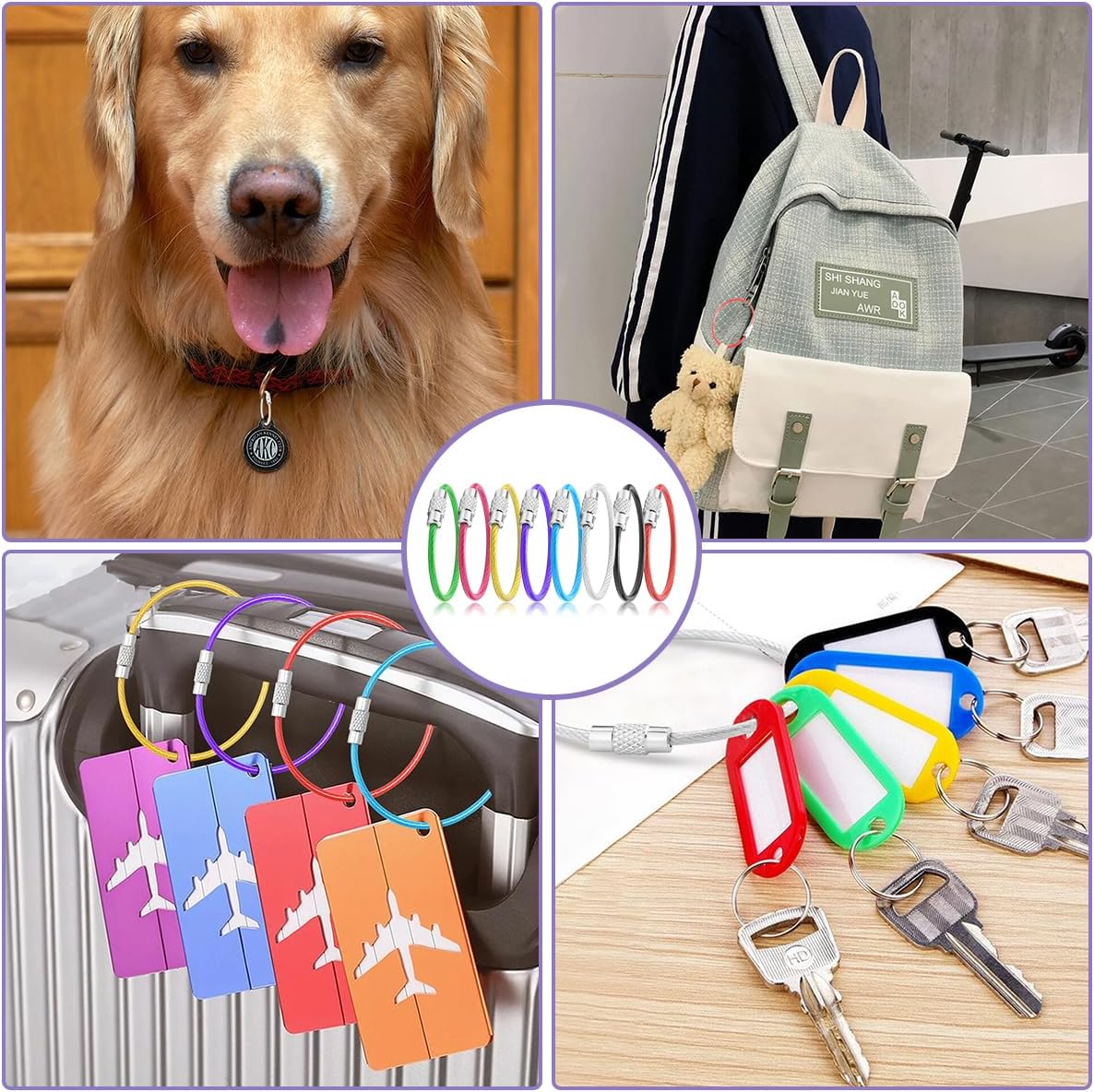
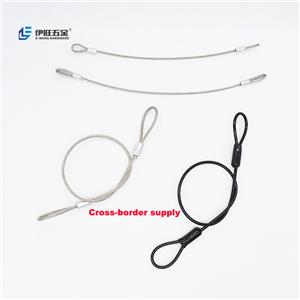
A wire keychain is a key-holding accessory built around a length of stranded steel wire — think of the flexible cable used on bicycle locks or garage doors — instead of a rigid metal ring or a leather strap.
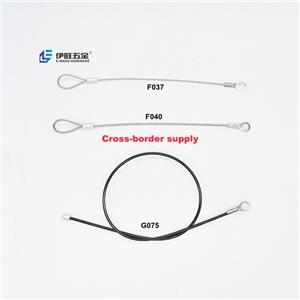
The cable is typically cut to a small loop, joined with a metal ferrule or crimp, and finished with a fitting on one or both ends. Because the wire is stranded (made of many thin strands twisted together), it is far more flexible than solid metal, yet strong enough to support daily use.

The defining feature of a wire keychain is that it has no traditional gap or clasp that can fail. Many designs use a continuous, welded or crimped loop, which means there is no single weak point where the chain is likely to open and dump your keys onto the ground.
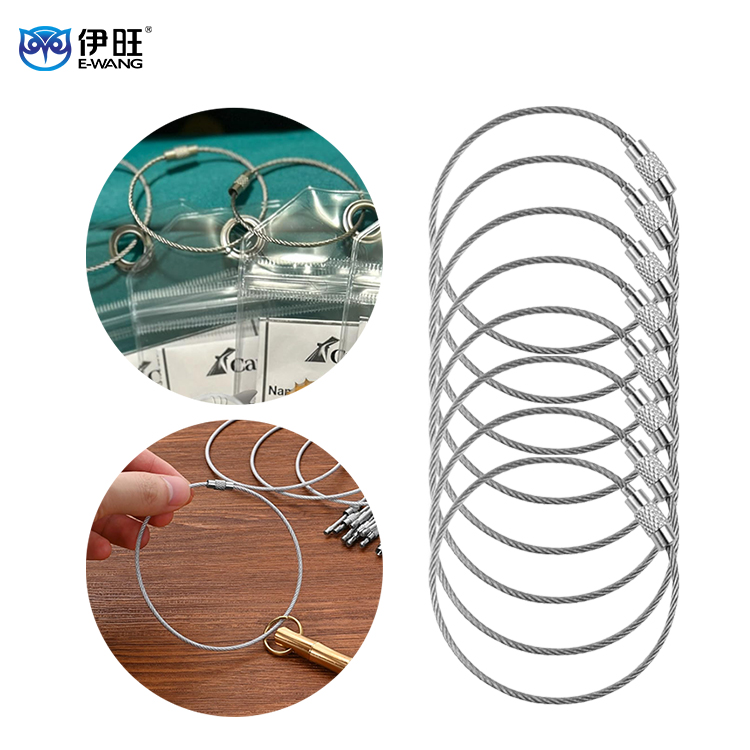

wire keychain


  1. Why a Wire Keychain Is a Smart Choice

There are several reasons wire keychains have become one of the most popular key accessories on the market.

3.1 Unmatched Durability

The biggest selling point is strength. A typical stainless-steel wire keychain can support a working load of anywhere from a few kilograms to more than 50 kilograms depending on the cable diameter. That is far more than the weight of a standard set of house or car keys. You can use it every day, drop it, or toss it in a bag, and it will not bend, snap, or lose its shape the way thin metal rings do.

3.2 Security You Can Rely On

Because the cable forms a closed loop with no opening that can spring wide, a wire keychain will not accidentally detach. This makes it ideal for situations where losing your keys is costly or inconvenient — for example, security officers, maintenance workers, delivery drivers, and people who work in fast-moving environments.

3.3 Waterproof and Weather-Resistant

Stainless-steel wire does not rust under normal use, and the protective coating (PVC, nylon, or rubber) adds an extra barrier against moisture. Unlike leather straps that crack and rot, or paper tags that disintegrate, a wire keychain shrugs off rain, sweat, and humidity. This is why it is the go-to choice for outdoor activities, boating, gym use, and work environments.

3.4 Lightweight and Comfortable

Despite its strength, a wire keychain is very light. A standard 2 mm or 3 mm cable loop weighs only a few grams, so it adds no noticeable bulk to your pocket or bag. The smooth coating also feels comfortable in the hand, and the soft outer layer protects your keys and your gear from scratches.


  1. Materials and Construction

The quality of a wire keychain is determined by two things: the material of the cable and the quality of the fittings and finishing.

4.1 Stainless-Steel Wire (the Cable)

The core is a strand of stainless steel. Two grades dominate the market:
  • 304 stainless steel — the standard choice. It offers excellent corrosion resistance and strength at an affordable price, and it is what most consumer and promotional wire keychains are made of.

  • 316 stainless steel — a marine-grade alloy with added molybdenum, which gives it even better resistance to salt and chemicals. It is the preferred option for coastal areas, boats, and harsh industrial environments.

Cable diameter is measured in millimetres. Common sizes are 1.5 mm, 2 mm, 3 mm, and 4 mm. Thicker cable means higher strength but also a stiffer, heavier loop. For everyday keys, 2–3 mm is the sweet spot; for heavy tools or high-security needs, choose 3 mm and above.

4.2 The Coating

Bare steel is rough on pockets and can scratch your keys. That is why most wire keychains are coated:
  • PVC / vinyl coating — soft, flexible, and available in many colors. It protects surfaces, feels smooth, and is the most common finish.

  • Nylon coating — tougher and more abrasion-resistant than PVC, with a slightly firmer feel. Often used for higher-end and outdoor keychains.

  • Rubber / silicone coating — very grippy and comfortable, with a soft matte finish. Great for gym and outdoor use.

  • Bare / polished steel — for a sleek industrial look, usually with a brushed or mirror finish. It is less protective but very stylish.

4.3 The Fitting

The fitting is the part that actually holds your keys, and it comes in several styles:
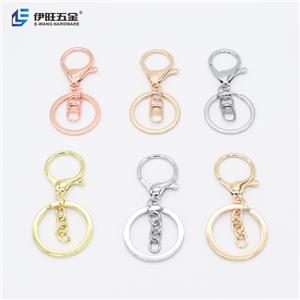
  • Key ring — a classic split ring or solid ring that you slide your keys onto.

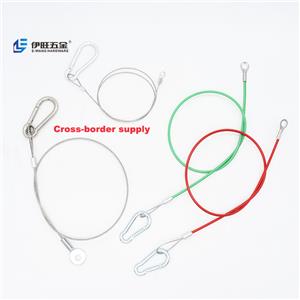
  • Carabiner — a spring-loaded clip that attaches quickly to belt loops, bags, or straps. Extremely popular for everyday carry.

  • Dog clip / snap hook — a spring hook with a locking sleeve, very secure, often used on leashes and gear.

  • Button / quick-release — a two-piece design that opens with the press of a button, so you can detach keys without undoing a ring.
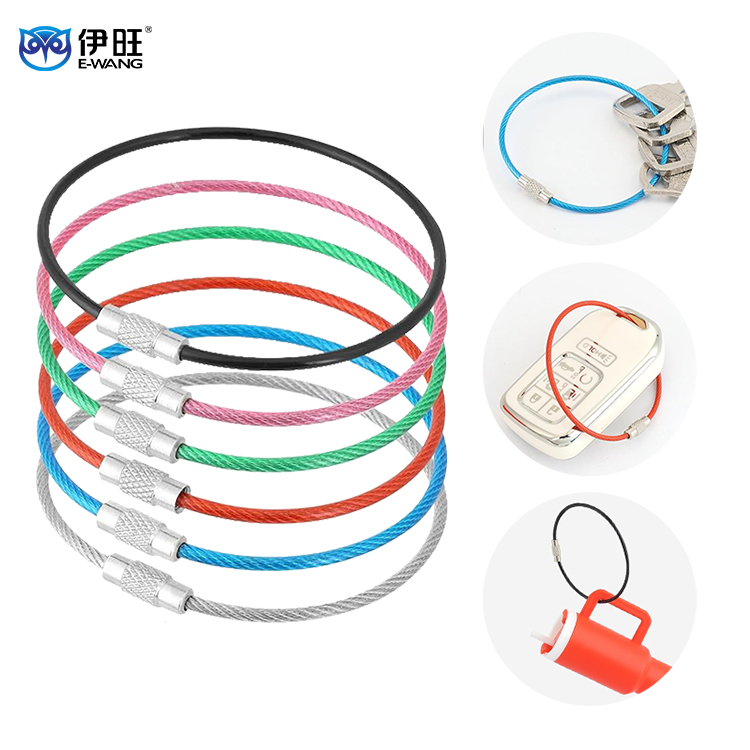

stainless steel wire keychain


  1. Types of Wire Keychains

Not all wire keychains are the same. Here are the most common designs you will come across.

5.1 Loop-Style Wire Keychain

The simplest design: a coated steel-wire loop finished with a single key ring. Clean, classic, and inexpensive. It is the default choice for giveaways, souvenirs, and basic personal use.

5.2 Carabiner Wire Keychain

A wire loop attached to a carabiner clip. Ideal for people who want to clip keys to a belt loop, backpack, or gym bag and grab them in a second. Very popular in the everyday-carry (EDC) community.

5.3 Dog-Clip (Snap-Hook) Wire Keychain

A loop fitted with a spring-loaded dog clip, often with a locking mechanism. It offers the highest level of security and is a favorite for workers, security staff, and anyone handling tools or IDs.

5.4 Quick-Release / Button Wire Keychain

A two-part design with a push-button release that separates the loop from the clip. This lets you swap keys between sets or hand over a key without fumbling with a ring. Great for shared keys, rentals, and vehicle fleets.

5.5 Wire Keychain with Tag / Plate

A wire loop combined with a metal or PVC nameplate, badge holder, or luggage tag. This is the standard choice for ID badges, hotel keys, event lanyards, and promotional branding.

5.6 Multi-Loop and Combination Designs

Some premium keychains combine several features — for example, a wire loop plus a bottle opener, a mini flashlight, or a screwdriver tool. These multifunction versions are popular as corporate gifts.
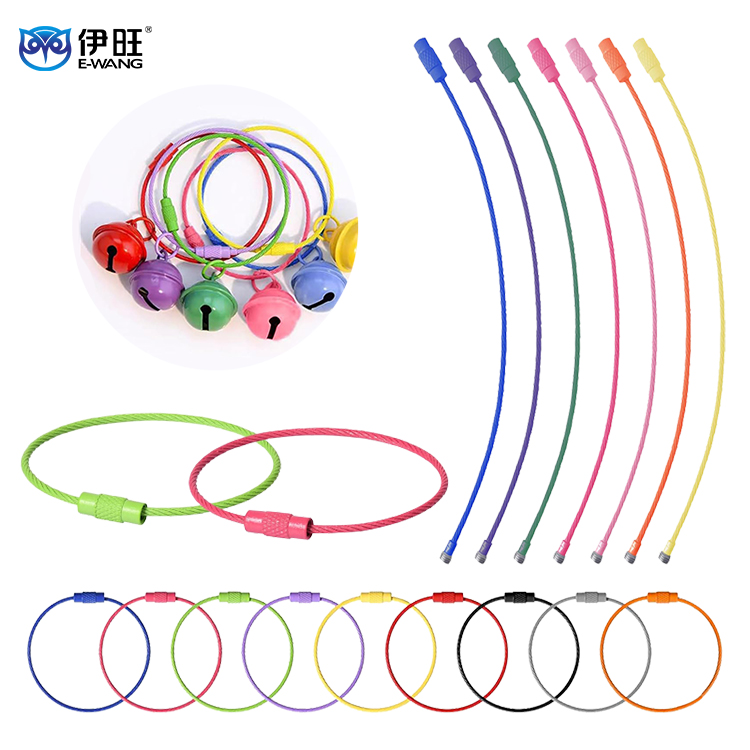

wire keyring


  1. Common Uses of Wire Keychains

Because they are strong, waterproof, and secure, wire keychains show up in far more places than just a pocket.
  • Home and personal keys — the everyday use: house keys, mailbox keys, and gym lockers.

  • Car and motorcycle keys — where losing a key is expensive, and a secure, durable holder matters.

  • ID badges and access cards — clipped to lanyards or belt loops in offices, factories, and hospitals.

  • Work tools — mechanics, electricians, and technicians attach small tools and gauges to wire keychains so nothing falls into machinery.

  • Industrial and safety settings — security guards, warehouse workers, and machine operators rely on the security of a closed loop.

  • Outdoor and sports — hiking, fishing, boating, and gym sessions where waterproof, rust-proof gear is a must.

  • Pet gear — small wire loops are often used as connector hardware on leashes and collar accessories.

  • Promotional and event giveaways — cheap enough to print and distribute in bulk, durable enough to carry the brand around for years.

  • Souvenirs and collectibles — travel gifts, keychains with engraved names or places.
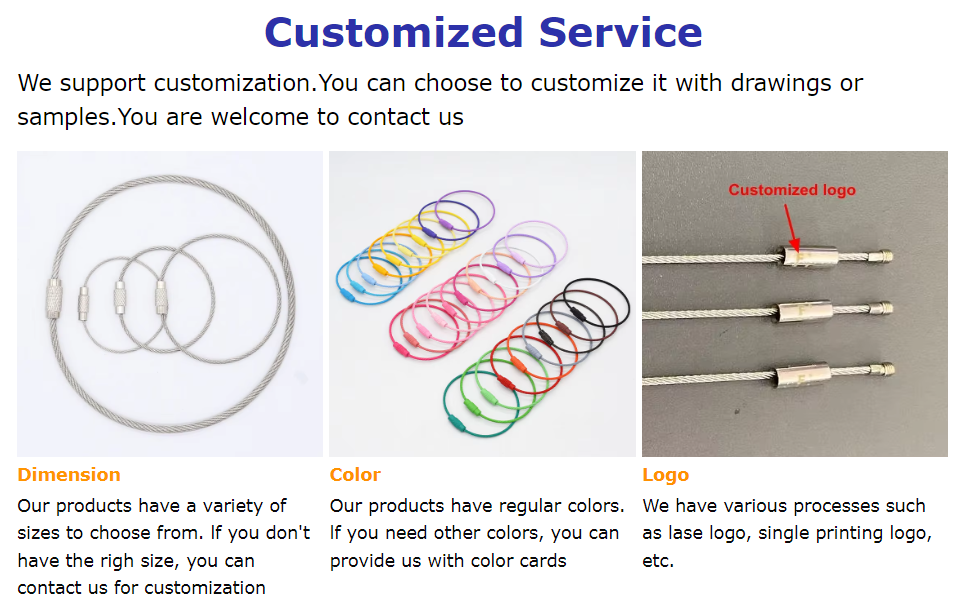

wire keychain


  1. How to Choose the Right Wire Keychain

If you are buying for yourself, or sourcing for a business, work through these questions.

7.1 Where Will You Use It?

  • Everyday keys at home → a simple loop-style wire keychain with a key ring.

  • Clipping to bags or belts → a carabiner or dog-clip version.

  • Harsh or outdoor conditions → 316 stainless steel with a nylon or rubber coating.

  • Industrial / high-security → the thickest cable (3–4 mm) with a locking dog clip.

7.2 What Cable Thickness Do You Need?

  • 1.5 mm — ultra-light, for small key sets and promotional items.

  • 2 mm — the everyday standard; strong yet flexible.

  • 3 mm — heavy-duty; for tools, multiple keys, and higher security.

  • 4 mm — industrial; for very demanding loads.

7.3 What Coating Do You Prefer?

  • Colored PVC — affordable and colorful, good for branding.

  • Nylon — tough, abrasion-resistant, premium feel.

  • Rubber/silicone — soft and grippy, great in hand.

  • Bare steel — sleek industrial style.


stainless steel wire keychain


  1. Customization and Branding Options

Wire keychains are one of the best-value promotional products you can print, and they keep your logo in someone's hand for years. Here is what you can customize.

8.1 Color

The PVC, nylon, or rubber coating comes in virtually any color, so you can match your brand palette. You can also combine a colored coating with a colored or printed tag.

8.2 Printing and Marking on the Tag

The attached tag or plate is the main branding surface. Common methods include:
  • Pad printing — affordable and durable, great for flat logos and text.

  • Screen printing — good for solid blocks of color.

  • UV printing — full-color, high-detail images, ideal for photographs or gradients.

  • Laser engraving — a premium, permanent mark on metal tags, popular for upscale gifts.

  • Embossing / debossing — a raised or recessed 3D logo for a tactile, high-end feel.

8.3 Packaging and Sets

For corporate gifts and events, wire keychains are often supplied in branded boxes, hang cards, or blister packs. You can bundle them with lanyards, bags, or other giveaways.


  1. Conclusion

A wire keychain is more than just a place to keep your keys — it is a small investment in durability, security, and peace of mind. Thanks to their strong stainless-steel cable, weatherproof coating, and secure fittings, wire keychains outlast almost every other type of key holder, and they do it while looking clean and modern.
Whether you need a reliable everyday keychain, a secure holder for work IDs and tools, or a custom-branded giveaway that keeps working for your business for years, a wire keychain delivers on every front. With the guidance in this article, you now know what to look for in materials, fittings, and customization — so you can choose with confidence.
Ready to upgrade your keys, or source custom wire keychains for your brand? Explore our collection today and find the right wire keychain for your needs.


Get the latest price? We'll respond as soon as possible(within 12 hours)

Privacy policy