
The Art and Utility of Desk Calendar Shelves: Elevating Your Workspace Organization
# The Art and Utility of Desk Calendar Shelves: Elevating Your Workspace Organization
## Introduction: The Unassuming Essential
In the digital age, where smartphones, smartwatches, and multiple screens compete for our attention, a simple analog tool has quietly maintained its place in homes and offices worldwide: the desk calendar. And supporting this daily companion is an often-overlooked accessory that combines form and function—the desk calendar shelf. More than just a stand, this organizational tool represents a bridge between traditional time management and modern workspace aesthetics. This comprehensive guide explores the multifaceted world of desk calendar shelves, examining their design variations, functional benefits, material considerations, and their surprising role in productivity and well-being.
## Chapter 1: The Evolution of Timekeeping on the Desk
**From Scrolls to Standing Calendars**
The history of desk calendars traces back to ancient civilizations where time was tracked on clay tablets and parchment scrolls. The concept of a dedicated stand for calendars emerged alongside the widespread use of paper. In the early 20th century, as office culture formalized, calendar stands became commonplace fixtures on executive desks, often made from polished wood or brass to convey status and organization.
**The Digital Resistance**
Despite the proliferation of digital calendars, paper desk calendars have persisted for several reasons. Cognitive research suggests that physical writing enhances memory retention compared to digital input. The tactile experience of flipping pages creates a tangible connection to the passage of time that scrolling through screens cannot replicate. The desk calendar shelf supports this analog tradition while accommodating modern design sensibilities.
## Chapter 2: Anatomy of a Desk Calendar Shelf
**Basic Structural Components**
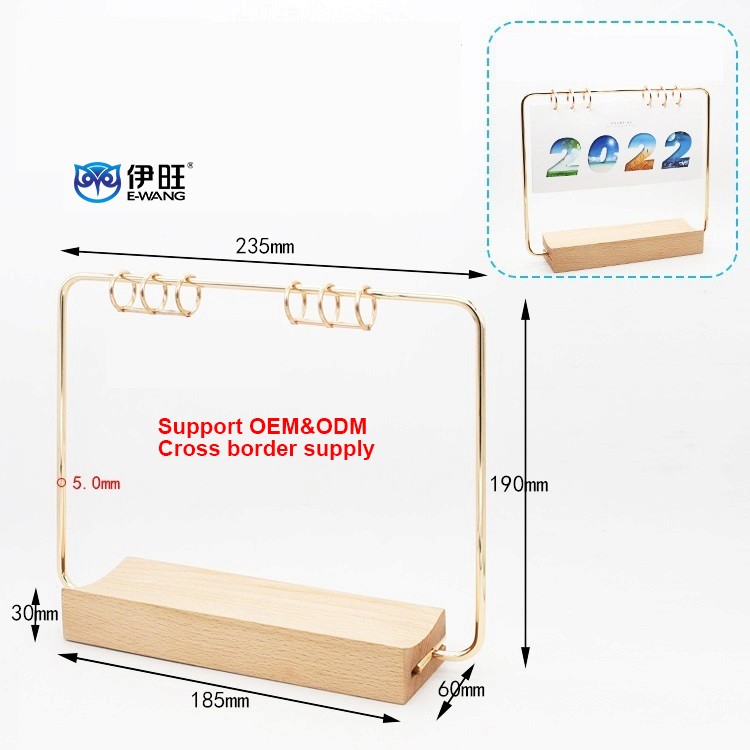
A typical desk calendar shelf consists of several key elements:
- Base: Provides stability, often weighted or with non-slip padding
- Back support: Holds the calendar upright at an optimal viewing angle
- Lip or ledge: Prevents the calendar from sliding forward
- Additional features: Pen holders, document slots, or compartments for sticky notes
**Ergonomic Considerations**
The ideal desk calendar shelf positions the calendar at approximately 15-30 degrees from vertical, reducing neck strain compared to flat-lying calendars. The height should bring the calendar to just below eye level when seated, typically between 4-8 inches tall depending on calendar dimensions.
## Chapter 3: Material World – Choices and Characteristics
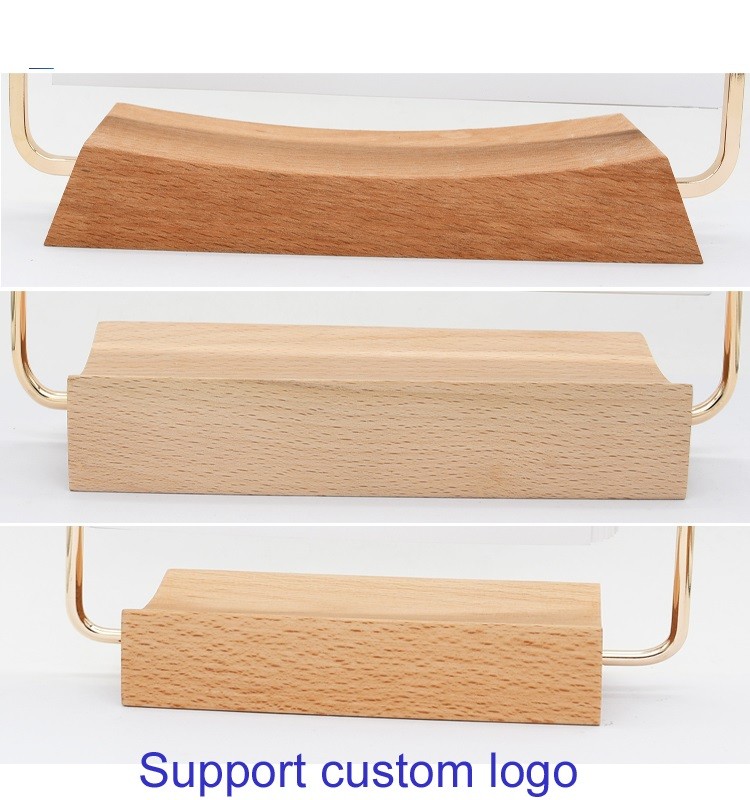
**Wood – Classic Warmth and Durability**
- **Hardwoods** (oak, walnut, maple): Offer longevity and develop a beautiful patina over time
- **Bamboo**: A sustainable option with natural antimicrobial properties
- **Plywood with veneers**: Provides design flexibility at lower price points
**Metal – Modern Industrial Appeal**
- **Aluminum**: Lightweight with clean lines, often anodized for color
- **Steel**: Provides exceptional stability, sometimes powder-coated
- **Brass and copper**: Add warmth with metallic finishes that develop character over time
**Acrylic and Glass – Contemporary Minimalism**
- **Acrylic**: Lightweight, available in various tints, offers the illusion of "floating" calendars
- **Tempered glass**: Creates a sleek, modern appearance, though requires careful handling
**Composite and Innovative Materials**
- **Recycled materials**: Eco-conscious options made from reclaimed wood or post-consumer plastics
- **Concrete**: Industrial aesthetic with substantial weight for stability
- **3D-printed polymers**: Allow for completely customized designs and intricate patterns
## Chapter 4: Design Variations and Specialized Functions
**Basic Stand Designs**
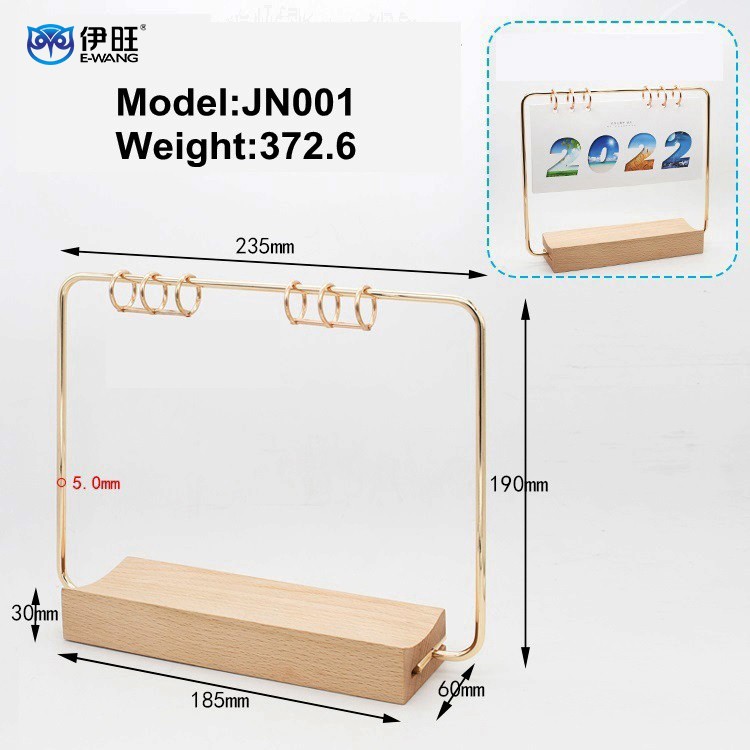
- **A-frame**: Simple, cost-effective design resembling a picture frame
- **Bookend style**: Two separate pieces that grip the calendar from sides
- **Full-back support**: Provides maximum stability for heavy or thick calendars
**Multi-Functional Organizers**
Modern desk calendar shelves often incorporate additional organizational features:
- Integrated pen and pencil holders
- Small compartments for paper clips, thumbtacks, or USB drives
- Document slots for bills, letters, or important papers
- Phone or tablet stands
- Built-in lighting for low-light conditions
**Vertical Space Maximizers**
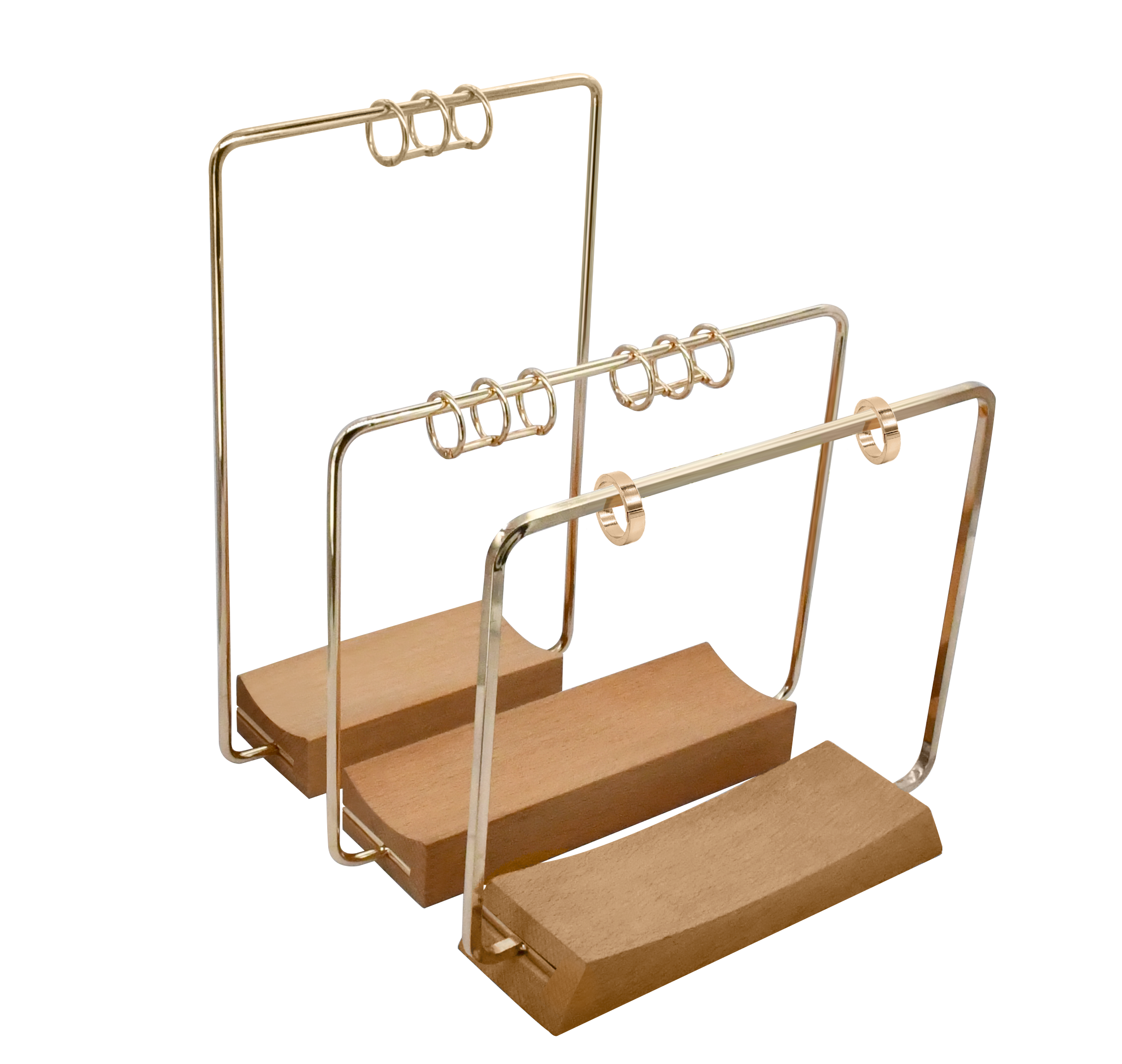
- **Tiered shelves**: Accommodate multiple calendars or notebooks
- **Wall-mounted options**: Free up desk surface area while keeping calendars visible
- **Clipboard-style**: Allows easy swapping of calendar pages without removing the entire pad
**Specialty Calendars and Corresponding Shelves**
- **Quarto (12x12 inch) calendar shelves**: Designed for large-format calendars
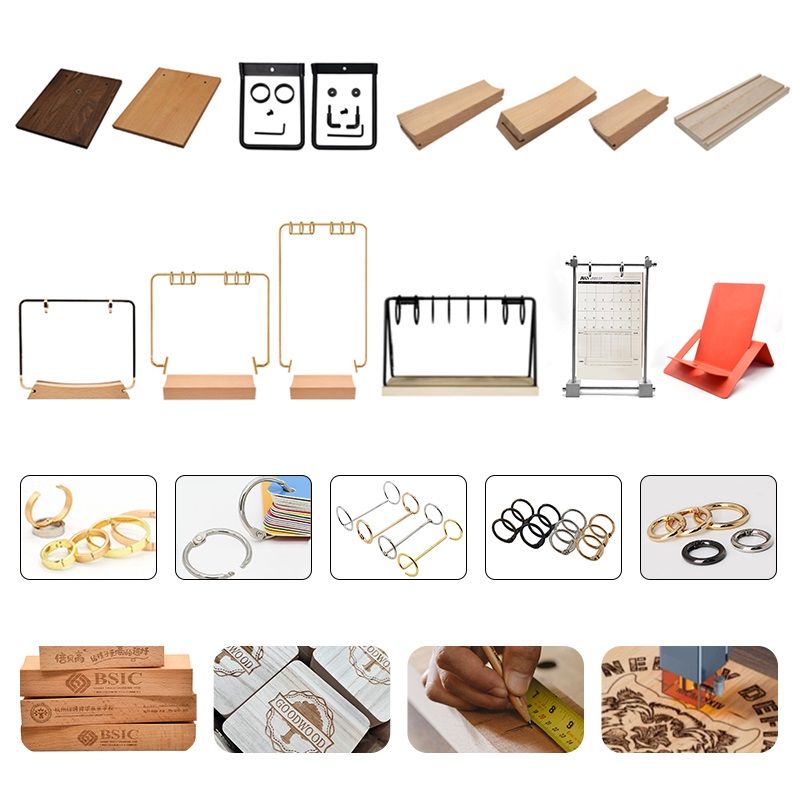
- **Leather-bound executive calendar stands**: Often include embossed logos or premium finishes
- **Academic calendar holders**: Accommodate July-June academic year formats
- **Perpetual calendar stands**: Designed for calendars with interchangeable date components
## Chapter 5: The Psychology of Organized Spaces
**Cognitive Benefits of Visual Time Management**
Research in environmental psychology demonstrates that well-organized workspaces reduce cognitive load. A prominently displayed calendar serves as an "external memory aid," freeing mental resources for complex tasks. The simple act of crossing off completed days provides visual reinforcement of progress, enhancing motivation through small, regular achievements.
**The Ritual of Flipping Pages**
Neurologically, the physical action of turning a calendar page creates a more pronounced mental marker of time passage than digital alternatives. This ritual can help compartmentalize work, symbolically closing one period before beginning another. The desk calendar shelf elevates this ritual from mere utility to a deliberate practice.
**Personalization and Ownership of Time**
Unlike shared digital calendars, a personal desk calendar represents individual time management. The choice of calendar design and its display stand allows for personal expression within workspace constraints. This personalization increases emotional investment in time management systems, making users more likely to engage consistently.
## Chapter 6: Integration with Productivity Systems
**Bullet Journal Compatibility**
Many productivity enthusiasts combine structured calendar displays with bullet journal systems. Specialized calendar shelves now include compartments for journals alongside the calendar display, creating a complete analog planning station.
**GTD (Getting Things Done) Implementation**
David Allen's GTD methodology emphasizes externalizing tasks from memory. A desk calendar with appropriate shelf support serves as a critical component of the "weekly review" process, providing a dedicated space for time-specific commitments separate from project lists.
**Time Blocking Visualization**
For practitioners of time blocking—allocating specific hours to specific tasks—a prominently displayed monthly calendar provides the "helicopter view" needed for effective blocking, while the daily page allows for detailed scheduling.
**Hybrid Digital-Analog Systems**
Forward-thinking designs now incorporate digital elements:
- Shelves with integrated wireless charging pads
- Stands that hold tablets alongside paper calendars
- Smart calendar holders with ambient LED indicators for digital calendar integration
## Chapter 7: Ergonomic Considerations and Health Benefits
**Posture and Eye Strain Reduction**
Properly positioned calendars reduce the need for constant leaning forward or squinting at small text. The angled display of a calendar shelf presents information more directly to the user's line of sight compared to flat-lying alternatives.
**Organizational Stress Reduction**
A 2019 workspace study found that employees with organized, personalized desk setups reported 17% lower stress levels. The calendar shelf contributes to this organization by providing a designated "home" for time management tools, reducing visual clutter and the mental effort of locating planning materials.
**The Importance of Tactile Engagement**
In an increasingly digital work environment, tactile interactions provide sensory variety that can reduce cognitive fatigue. The physical interaction with a calendar—turning pages, writing with pen on paper—engages different neural pathways than typing or tapping, potentially providing a cognitive "break" while still accomplishing work-related tasks.
## Chapter 8: Aesthetic Considerations and Design Integration
**Minimalist Approaches**
For contemporary workspaces, slim-profile shelves in neutral colors or transparent materials maintain visual lightness while providing function. The "invisible" shelf—minimal support that seems to disappear—has gained popularity in Scandinavian and Japanese-inspired designs.
**Statement Pieces**
Conversely, some designers treat calendar shelves as opportunities for artistic expression. Sculptural stands in unusual shapes, bold colors, or mixed materials serve as conversation pieces while performing their practical function.
## Conclusion: More Than Just a Stand
The desk calendar shelf represents a fascinating intersection of tradition and innovation, psychology and design, personal expression and practical function. In our accelerating digital world, it provides an anchor to physical reality—a tangible connection to the passage of time that pixels cannot replicate. More than merely holding paper, it elevates the simple calendar to a focal point of intentionality in our workspaces.
As we navigate increasingly complex professional and personal lives, tools that simplify without diminishing, that organize without imposing rigidity, become invaluable. The right desk calendar shelf does more than display dates; it supports the architecture of our days, gives form to our plans, and provides a small but meaningful ritual in our daily routine.